Easy Sheet Pan Dinners,Easy Sheet Pan Dinner Recipes
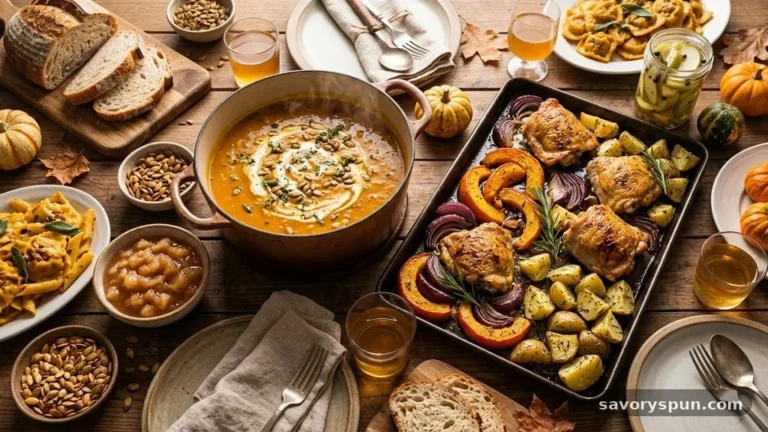
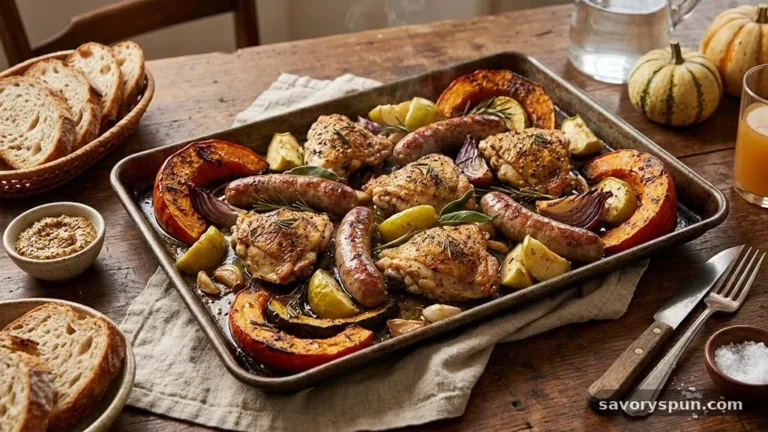
Finding reliable easy Sheet Pan Dinners,Easy Sheet Pan Dinner Recipes can transform your weeknight cooking routine from a chore into a streamlined experience. These one-pan meals rely on the principle of high-heat cooking to develop deep flavors while minimizing the cleanup process.
By arranging your ingredients strategically on a single tray, you unlock a method that is both efficient and consistently delicious. Whether you are a busy parent or a professional looking for quick nourishment, mastering these techniques will save you hours in the kitchen every month.
- Prep time: 15 minutes
- Cook time: 30 minutes
- Total time: 45 minutes
- Servings: 4
- Calories: 420 per serving
Ingredients
- 4 boneless, skinless chicken breasts, sliced into 1-inch strips
- 2 large Russet potatoes, scrubbed and cut into 1/2-inch cubes
- 3 medium carrots, peeled and sliced into rounds
- 2 bell peppers, seeded and cut into 1-inch chunks
- 1 large red onion, cut into thick wedges
- 3 tbsp extra virgin olive oil
- 4 cloves fresh garlic, minced
- 1 tsp dried oregano
- 1 tsp smoked paprika
- 1/2 tsp kosher salt
- 1/4 tsp cracked black pepper
- 1 tbsp fresh lemon juice
- 2 tbsp fresh parsley, chopped for garnish
Instructions
- Preheat your oven to 425°F (220°C) to ensure a high-heat environment suitable for crisping.
- Line a large rimmed baking sheet with parchment paper to prevent sticking and simplify your cleanup.
- In a large mixing bowl, whisk together the olive oil, minced garlic, oregano, paprika, salt, and pepper.
- Add the sliced chicken and all prepared vegetables to the bowl.
- Toss the mixture thoroughly with your hands or tongs until everything is evenly coated in the oil and spice mixture.
- Spread the ingredients out in a single layer on the prepared baking sheet, ensuring they aren’t crowded.
- Roast for 25 to 30 minutes, tossing halfway through, until the chicken reaches an internal temperature of 165°F and the potatoes are fork-tender.
- Remove from the oven, drizzle with fresh lemon juice, and sprinkle with chopped parsley before serving hot.
Essential Equipment and Preparation
The success of your meal depends heavily on the tools you use. A heavy-duty rimmed baking sheet is the most critical piece of equipment because it prevents juices from overflowing into your oven. Thin, flimsy pans often warp under high heat, which leads to uneven cooking results and potential spills.
You should always use parchment paper or a silicone mat for lining your tray. This step is not just about keeping the pan clean; it helps with the caramelization of the sugars in the vegetables. Without this barrier, proteins may stick to the metal, causing you to lose those delicious, crispy browned bits.
Preparation is equally vital for consistent results. You need to chop your ingredients into uniform pieces to ensure they finish cooking at the same time. If your potato cubes are twice the size of your carrot slices, the carrots will turn to mush before the potatoes are edible.
Mastering Ingredient Timing
When you attempt to cook various items on one tray, you must understand the density of your ingredients. Hard vegetables like potatoes, carrots, and parsnips require significantly more time to soften than delicate items. If you add soft vegetables like zucchini, bell peppers, or cherry tomatoes at the beginning, they will disintegrate long before the root vegetables are tender.
For the best results, you should stagger the addition of ingredients if you have a wide variety of textures. Start the hard vegetables first, then add the proteins and softer produce during the second half of the cooking cycle. This nuanced approach ensures everything reaches perfection simultaneously.
You can roast proteins, vibrant vegetables, and aromatics simultaneously if you adjust the cut size accordingly. For example, slicing chicken into thin strips allows it to cook at the same rate as a medium-diced sweet potato. Keep a close eye on your oven during the final ten minutes of roasting to prevent overcooking.
Flavor Profiles and Seasoning Techniques
To avoid bland results, you must treat your seasoning as a structural component of the dish. Start by ensuring your oil and spices are thoroughly emulsified before adding your food. This creates a uniform coating that allows the heat to penetrate evenly while infusing the ingredients with flavor.
Building layers of taste is the hallmark of a great home cook. Always include a balance of fats, acids, and aromatics. Fresh garlic cloves, thinly sliced shallots, or a drizzle of balsamic glaze added right before serving can transform a simple meal into something special.
Don’t be afraid to experiment with dry spice blends, but always finish with something fresh. A squeeze of citrus or a handful of fresh herbs acts as a bright counterpoint to the deep, roasted notes. For more inspiration on balancing flavors, visit the official food safety guidelines to ensure your proteins are handled correctly while you explore new combinations.
Optimizing the Roast
The biggest mistake people make is overcrowding the tray. When you pile too many ingredients onto the surface, the moisture trapped between them prevents browning. This leads to steaming rather than roasting, leading to soggy textures instead of a golden-brown finish.
If you find that your pan is getting too crowded, it is better to use two trays rather than forcing everything onto one. Proper airflow is essential for the Maillard reaction, which is the chemical process responsible for the savory, browned crust on roasted foods. Give your ingredients room to breathe so the hot air can circulate around each piece.
Finally, avoid adding too much liquid or watery vegetables that release excessive steam. If you must use high-moisture items, place them on a separate side of the tray or roast them for a shorter duration. A dry, hot oven environment is the secret to achieving that coveted roasted texture.
Proteins That Perform Well
Not every protein is suited for high-heat roasting. Chicken breasts, salmon fillets, and shrimp are the gold standard for easy Sheet Pan Dinners,Easy Sheet Pan Dinner Recipes because they cook quickly and remain juicy if monitored. Tougher cuts of meat, like beef chuck or pork shoulder, require low and slow braising and will not work well on a tray.
If you choose to use bone-in chicken thighs, you will need to adjust your timing significantly. These pieces take longer to cook and require a lower temperature to ensure the bone area is cooked through without burning the skin. Always use a digital meat thermometer to confirm your chicken has reached an internal temperature of 165°F.
For seafood, prioritize firm fish like salmon or cod. These varieties hold their shape under high heat and develop a beautiful, flaky texture. Shrimp should be added only in the final 5 to 7 minutes of the process to ensure they remain tender and succulent rather than rubbery.
Aromatics and Finishing Touches
Aromatics are the invisible backbone of any successful dinner. Fresh garlic, ginger, shallots, and woody herbs like rosemary or thyme provide a fragrance that permeates the entire tray. You can toss these in with your vegetables at the start for a mellow flavor, or add them halfway through for a more intense punch.
Don’t forget the importance of seeds and nuts for texture. Adding sesame seeds, sunflower seeds, or crushed almonds in the final few minutes of roasting adds a delightful crunch. This textural contrast is often what separates a good meal from an exceptional one.
Finally, consider the power of a finishing oil or glaze. A light drizzle of high-quality finishing oil or a balsamic reduction added immediately after pulling the tray from the oven provides a glossy, professional appearance. These small additions add a depth of character that makes your cooking taste like it came from a restaurant kitchen.
FAQ
Can I use frozen vegetables for these recipes?
You can, but you must be careful with moisture. Frozen vegetables often contain a significant amount of ice, which will melt and create steam. To use them successfully, roast them at a higher temperature and do not overcrowd the pan, as the extra liquid can easily lead to soggy results.
How do I prevent my meat from drying out?
The best way to keep meat moist is to ensure it is cut into uniform pieces and not overcooked. Using a meat thermometer is the most accurate way to prevent the protein from staying in the oven too long. Additionally, marinating the protein for at least 30 minutes before roasting can help retain moisture during the high-heat process.
Is it necessary to use parchment paper?
While you can roast directly on the metal, parchment paper is highly recommended for easy cleanup and better browning. It prevents the sugars in the vegetables from burning onto the tray and makes removing the food much simpler. It also protects your baking sheet from permanent staining and scratching.
What if my vegetables are cooking faster than my meat?
If you notice your vegetables are becoming soft and browned before your protein is finished, you can remove the vegetables to a separate bowl and return the tray to the oven for the meat alone. Alternatively, you can tent the vegetables with a piece of foil to prevent them from darkening further while the protein finishes its cooking cycle.
Conclusion
Mastering the art of easy Sheet Pan Dinners,Easy Sheet Pan Dinner Recipes provides a reliable path to delicious, stress-free meals. By focusing on uniform cuts, proper ingredient spacing, and understanding the timing of different food types, you can create consistent results every time you turn on your oven.
Start by experimenting with the basic combination provided here, then branch out into different flavor profiles using global spices or seasonal produce. The beauty of this method lies in its adaptability and the minimal cleanup required after the meal is served.
As you gain confidence, try mixing and matching your favorite proteins and vegetables to suit your pantry staples. These recipes are designed to save you time and energy, allowing you to enjoy a high-quality dinner even on your busiest nights. We invite you to share your favorite combinations and let us know how these techniques have improved your weekly meal planning routine.
Easy Sheet Pan Dinners,Easy Sheet Pan Dinner Recipes
Finding reliable easy Sheet Pan Dinners,Easy Sheet Pan Dinner Recipes can transform your weeknight cooking routine from a chore into a streamlined experience. These one-pan meals rely on the principle of high-heat cooking to develop deep flavors while minimizing the cleanup process.
Ingredients
- 4 boneless, skinless chicken breasts, sliced into 1-inch strips
- 2 large Russet potatoes, scrubbed and cut into 1/2-inch cubes
- 3 medium carrots , peeled and sliced into rounds
- 2 bell peppers , seeded and cut into 1-inch chunks
- 1 large red onion, cut into thick wedges
- 3 tbsp extra virgin olive oil
- 4 cloves fresh garlic, minced
- 1 tsp dried oregano
- 1 tsp smoked paprika
- 1/2 tsp kosher salt
- 1/4 tsp cracked black pepper
- 1 tbsp fresh lemon juice
- 2 tbsp fresh parsley, chopped for garnish
Instructions
- Preheat your oven to 425°F (220°C) to ensure a high-heat environment suitable for crisping.
- Line a large rimmed baking sheet with parchment paper to prevent sticking and simplify your cleanup.
- In a large mixing bowl, whisk together the olive oil, minced garlic, oregano, paprika, salt, and pepper.
- Add the sliced chicken and all prepared vegetables to the bowl.
- Toss the mixture thoroughly with your hands or tongs until everything is evenly coated in the oil and spice mixture.
- Spread the ingredients out in a single layer on the prepared baking sheet, ensuring they aren’t crowded.
- Roast for 25 to 30 minutes, tossing halfway through, until the chicken reaches an internal temperature of 165°F and the potatoes are fork-tender.
- Remove from the oven, drizzle with fresh lemon juice, and sprinkle with chopped parsley before serving hot.
Similar Posts
28 Genius Ways To Use Unripe Apples,28 Genius Ways to Use Unripe Apples
Finding yourself with a bowl of hard, sour fruit can feel like a kitchen disappointment, but there are actually many genius ways to use unripe apples,28 genius ways to use unripe apples that transform them into pantry staples. Because they lack the sugars of mature fruit, green apples offer a sharp, bracing acidity that is…
Easy Summer Dinner Recipes,Easy Summer Dinner Recipes
Finding fresh, light, and easy Summer Dinner Recipes,Easy Summer Dinner Recipes is essential when the temperature rises and spending hours in a hot kitchen feels like a chore. Focusing on seasonal produce allows you to spend less time cooking and more time enjoying the long, warm evenings outside. Whether you are planning a casual backyard…
14 Unbelievably Good Dinner Ideas The Whole Family Will Love,14 Family-Friendly Dinner Ideas
Finding reliable, tasty meals that satisfy everyone at the table is a common hurdle for busy households. Choosing from these 14 Unbelievably Good Dinner Ideas The Whole Family Will Love,14 Family-Friendly Dinner Ideas helps remove the stress of evening menu planning. By focusing on simple preparation and crowd-pleasing flavors, you can transform your kitchen into…
Simple Chicken Recipes,Simple & Quick Chicken Recipes
Finding reliable simple Chicken Recipes,Simple & Quick Chicken Recipes can transform your weeknight routine from stressful to streamlined. Whether you are working with boneless skinless chicken breasts or juicy chicken thighs, the right techniques ensure a delicious, protein-packed meal in minutes. By focusing on fundamental skills like searing and proper seasoning, you can create flavorful…
Easy Kid Friendly Dinners,Easy Kid-Friendly Dinner Ideas
Finding reliable ways to manage your evening routine starts with discovering easy Kid Friendly Dinners,Easy Kid-Friendly Dinner Ideas that everyone at the table will actually enjoy. Busy parents often struggle to balance the need for quick meals with the desire to provide balanced nutrition for growing children. By focusing on simple preparation methods and familiar…
Sourdough Discard Dumplings,Easy Sourdough Discard Dumplings
Mastering sourdough discard dumplings, easy sourdough discard dumplings is a fantastic way to breathe new life into your leftover starter. These pillowy, slightly tangy parcels offer a unique flavor profile that pairs beautifully with savory fillings, making them a standout addition to your home cooking repertoire. By repurposing your active culture into a versatile dough,…