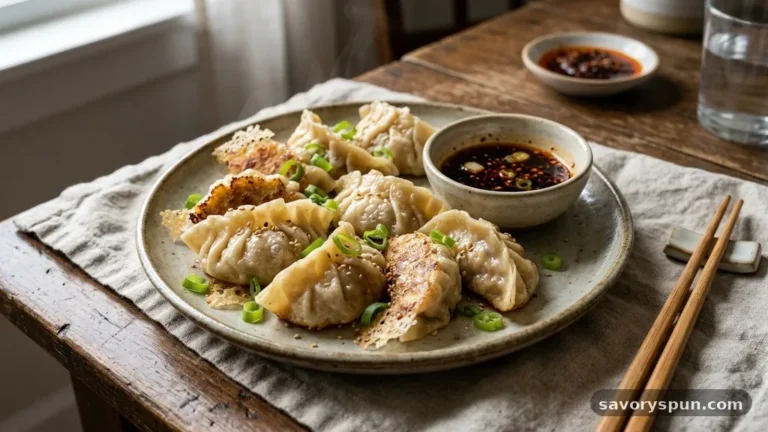
How To Make Basic Sourdough Pasta Dough,How to Make Basic Sourdough Pasta Dough
Learning the craft of making Basic Sourdough Pasta Dough,How to Make Basic Sourdough Pasta Dough transforms your kitchen into an artisanal workshop. By harnessing the wild yeast in your starter, you produce noodles with a complex, tangy flavor and superior texture that store-bought versions simply cannot replicate. Whether you are a seasoned baker looking to repurpose your discard or a pasta enthusiast curious about natural fermentation, this process offers a rewarding culinary experience.
You will discover that the slight acidity from the lactic acid improves the bite of the finished pasta, while the long fermentation time makes the flour easier to digest. Prepare to elevate your dinner table with fresh, homemade noodles today.
- Prep time: 15 minutes
- Cook time: 30 minutes
- Total time: 45 minutes
- Servings: 4
- Calories: 420 per serving
Ingredients

- 100 grams active sourdough starter (fed 4-6 hours prior)
- 200 grams all-purpose flour
- 100 grams durum semolina flour
- 2 large eggs, room temperature
- 1 tablespoon extra virgin olive oil
- 1/2 teaspoon fine sea salt
- Extra semolina dusting for the workspace
Instructions
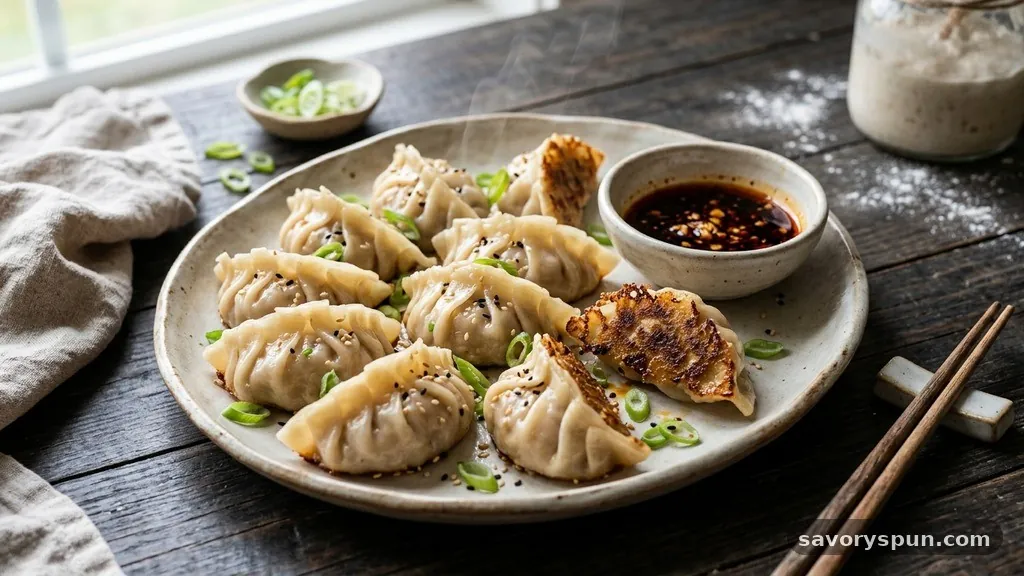
- Whisk the eggs, sourdough starter, and olive oil together in a medium bowl until fully combined.
- Combine the all-purpose flour, durum semolina, and salt in a large mixing bowl or on a clean wooden surface.
- Create a deep well in the center of the flour mixture and pour in the wet ingredients.
- Use a fork to slowly incorporate the flour into the wet mixture, moving in circular motions until a shaggy mass forms.
- Knead the dough by hand for 8 to 10 minutes, focusing on building gluten development until the surface is smooth and springs back when poked.
- Wrap the dough tightly in plastic wrap and let it undergo a bench rest at room temperature for at least 30 minutes to relax the gluten.
- Divide the dough into four equal pieces using a dough scraper to ensure even handling.
- Roll each piece out using a pasta machine or a rolling pin until it is thin enough to see the shadow of your hand through it.
- Cut the sheets into your desired shape, such as tagliatelle or fettuccine, using a sharp pasta cutter or knife.
- Drop the fresh pasta into a large pot of salted boiling water and cook for 2 to 3 minutes until it floats and reaches an al dente texture.
Understanding Sourdough Starter Integration

Using a sourdough starter in pasta is fundamentally different from using active yeast. The wild yeast and beneficial bacteria present in your starter contribute to a deeper, more nuanced flavor profile.
When you incorporate the starter directly into the flour, you are introducing a pre-fermented component that helps break down the proteins. This process effectively mimics a short autolyse, softening the grain and making the dough much easier to handle.
Because your starter contains water, you must account for this when calculating the dough hydration. If your starter is very liquid, you may need to add an extra tablespoon of flour during the kneading process.
Conversely, if your starter is stiff, the dough might feel tight. Always aim for a texture that feels like soft modeling clay rather than a sticky, unmanageable mess.
The Role of Flour Selection
The choice of flour is critical when making Basic Sourdough Pasta Dough,How to Make Basic Sourdough Pasta Dough successfully. All-purpose flour provides the necessary structure, while durum semolina adds that signature golden hue and firm bite.
Semolina is a harder wheat that holds its shape well, preventing the noodles from turning mushy when boiled. Mixing these two creates a balanced dough that is neither too soft nor excessively chewy.
You can experiment with different ratios depending on your preference for tenderness. Some bakers prefer using 100% semolina for a rustic, traditional Italian texture, while others stick to a blend for more elasticity.
Whatever you choose, ensure you are using high-quality, unbleached flour to get the best results. The quality of your raw ingredients directly dictates the final flavor of your meal.
Mastering the Kneading Technique
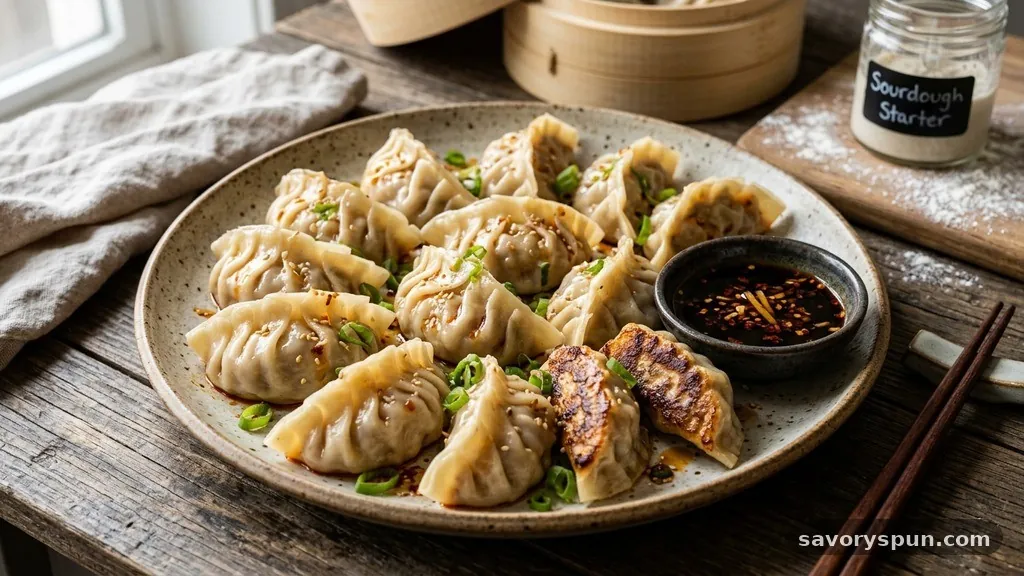
Proper kneading is the secret to getting that perfect, silky finish on your noodles. During this phase, you are aligning the proteins in the flour to create a strong, stable network.
You should use the heel of your hand to push the dough away from you, then fold it back over itself and rotate it slightly. This repetitive motion ensures that the hydration is distributed evenly throughout the mass.
If you struggle with hand-kneading, you can use a stand mixer with a dough hook on low speed. However, manual kneading allows you to feel exactly when the elasticity is right.
You will know you are finished when the dough no longer sticks to your hands and feels smooth and supple. Never rush this step, as it is the foundation of your pasta’s structural integrity.
The Importance of the Resting Period
Never skip the resting period, as this is when the magic happens on a molecular level. During this time, the gluten network relaxes, which makes the rolling process significantly easier.
If you try to roll out the dough immediately after kneading, it will keep snapping back like a rubber band. This elasticity is frustrating and leads to uneven, thick noodles that do not cook uniformly.
A 30-minute rest at ambient temperature is usually sufficient, but you can let it rest for up to two hours if your kitchen is cool. Ensure the dough is covered tightly to prevent a dry skin from forming on the surface. You can learn more about the science of fermentation and protein restructuring through resources like the USDA National Agricultural Library to understand why this step is non-negotiable.
Rolling and Cutting Techniques
Once the dough has rested, you can begin the transformation into thin sheets. If you are using a pasta machine, start at the widest setting and run the dough through several times, folding it over itself to build additional strength.
Gradually decrease the thickness settings until you reach the desired thinness. If you are using a rolling pin, work from the center outward, rotating the dough frequently to maintain an even shape.
When cutting, ensure your surface is lightly dusted with semolina to prevent sticking. A pasta cutter works well for consistent widths, but a sharp knife is perfectly acceptable for hand-cut pappardelle.
Once cut, toss the noodles lightly with more semolina dusting to keep them separated until you are ready to boil them. This ensures you do not end up with a clump of dough in your pot.

Managing Fermentation Time
While this recipe uses the starter primarily for flavor and texture, you can extend the fermentation time for health benefits. If you allow the dough to rest in the refrigerator for several hours, the lactic acid bacteria will have more time to break down the starches.
This process changes the flavor profile, making it slightly more tangy and complex. It also changes the dough hydration slightly as the flour absorbs more moisture over time.
Do not let the dough sit for too long at room temperature, or the wild yeast will begin to produce gas. This can lead to holes in your pasta sheets, which are undesirable for most shapes.
If you want to delay cooking, the refrigerator is your best friend. Just be sure to bring the dough back to room temperature before attempting to roll it out.
Tips for Success and Storage
Consistency is key when working with sourdough, as every starter behaves differently based on its age and feeding schedule. If your dough feels too dry, add water one teaspoon at a time; if too wet, add flour.
Keep in mind that egg-based pasta generally has a different shelf life than water-only dough. You can store fresh pasta in the refrigerator for up to 24 hours, or freeze it for up to a month.
To freeze, form the noodles into small nests on a baking sheet and flash-freeze them before transferring to a freezer-safe bag. This prevents them from sticking together into a solid block.
When cooking from frozen, there is no need to thaw them first. Simply drop them into boiling water and add an extra minute or two to the total cook time.
Frequently Asked Questions
Can I use discard instead of active starter?
Yes, you can use sourdough discard for this recipe, though it will not provide any leavening. Since this is a pasta dough, leavening is not the primary goal, so the flavor and texture will remain largely the same. Just ensure your discard is not too acidic or old, as this can make the pasta taste unpleasantly sour.
Why is my pasta dough turning grey?
A greyish tint often indicates that the dough has oxidized or the starter was too old. Using a freshly fed, active starter usually keeps the dough a bright, creamy color. Ensure you keep the dough covered during the rest period to minimize oxidation from exposure to air.
Can I make this recipe without eggs?
You can omit the eggs and replace them with water, but the resulting pasta will be much firmer and less rich. Egg-based pasta is traditional for a reason, as the fats in the yolk create a tender, luxurious mouthfeel. If you are vegan, consider using a high-protein flour or a specialized semolina blend to compensate for the lack of egg structure.
How do I know when the pasta is perfectly al dente?
The pasta is ready when it has lost its raw flour taste and has a slight, pleasant resistance when bitten. Fresh pasta cooks much faster than dried, usually within 2 to 3 minutes. Start tasting it after 90 seconds to ensure you catch it at the perfect moment.
Should I use a pasta machine or a rolling pin?
Both methods are effective, though a pasta machine makes achieving thin, uniform sheets much easier. If you are a beginner, a rolling pin is a great way to learn how the dough feels and behaves. Experienced pasta makers often prefer the machine for the speed and consistency it provides.
Conclusion
Mastering the art of making Basic Sourdough Pasta Dough,How to Make Basic Sourdough Pasta Dough brings a unique, professional touch to your home cooking. By integrating wild yeast into your process, you achieve a depth of flavor that is simply unattainable with commercial alternatives. Remember that patience is your most important ingredient during the resting and kneading phases.
As you become more comfortable with the hydration and elasticity of your dough, you will find yourself experimenting with different shapes and flour blends. Start with this recipe, observe how your starter influences the texture, and do not be afraid to adjust your methods as you gain experience. Your journey toward perfect, homemade pasta starts with these simple steps, so grab your apron and enjoy the process.
How To Make Basic Sourdough Pasta Dough,How to Make Basic Sourdough Pasta Dough
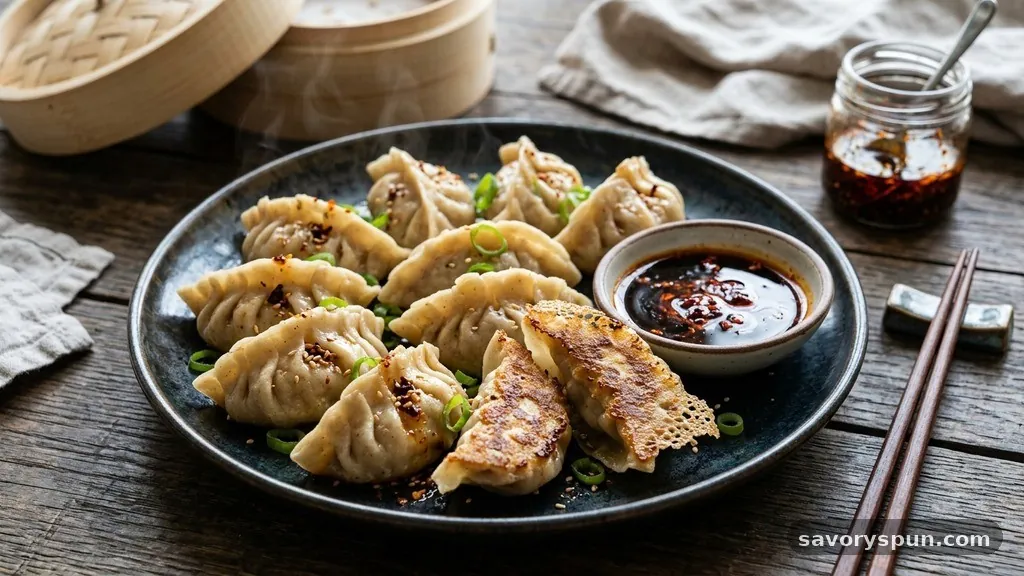
Learning the craft of making Basic Sourdough Pasta Dough,How to Make Basic Sourdough Pasta Dough transforms your kitchen into an artisanal workshop.
Ingredients
- 100 grams active sourdough starter (fed 4-6 hours prior)
- 200 grams all-purpose flour
- 100 grams durum semolina flour
- 2 large eggs, room temperature
- 1 tablespoon extra virgin olive oil
- 1/2 teaspoon fine sea salt
- Extra semolina dusting for the workspace
Instructions
- Whisk the eggs, sourdough starter, and olive oil together in a medium bowl until fully combined.
- Combine the all-purpose flour, durum semolina, and salt in a large mixing bowl or on a clean wooden surface.
- Create a deep well in the center of the flour mixture and pour in the wet ingredients.
- Use a fork to slowly incorporate the flour into the wet mixture, moving in circular motions until a shaggy mass forms.
- Knead the dough by hand for 8 to 10 minutes, focusing on building gluten development until the surface is smooth and springs back when poked.
- Wrap the dough tightly in plastic wrap and let it undergo a bench rest at room temperature for at least 30 minutes to relax the gluten.
- Divide the dough into four equal pieces using a dough scraper to ensure even handling.
- Roll each piece out using a pasta machine or a rolling pin until it is thin enough to see the shadow of your hand through it.
- Cut the sheets into your desired shape, such as tagliatelle or fettuccine, using a sharp pasta cutter or knife.
- Drop the fresh pasta into a large pot of salted boiling water and cook for 2 to 3 minutes until it floats and reaches an al dente texture.
Similar Posts
Fall Soup Recipes,Hearty Fall Soup Recipes
When the air turns crisp and leaves begin to change, few things provide comfort quite like a bowl of warm, nourishing broth. Exploring various Fall Soup Recipes,Hearty Fall Soup Recipes allows you to transform seasonal produce into meals that sustain you through the cooling months. Whether you prefer the sweetness of roasted squash or the…
Easy Sheet Pan Dinners,Easy Sheet Pan Dinner Recipes
Finding reliable easy Sheet Pan Dinners,Easy Sheet Pan Dinner Recipes can transform your weeknight cooking routine from a chore into a streamlined experience. These one-pan meals rely on the principle of high-heat cooking to develop deep flavors while minimizing the cleanup process. By arranging your ingredients strategically on a single tray, you unlock a method…
14 Unbelievably Good Dinner Ideas The Whole Family Will Love,14 Family-Friendly Dinner Ideas
Finding reliable, tasty meals that satisfy everyone at the table is a common hurdle for busy households. Choosing from these 14 Unbelievably Good Dinner Ideas The Whole Family Will Love,14 Family-Friendly Dinner Ideas helps remove the stress of evening menu planning. By focusing on simple preparation and crowd-pleasing flavors, you can transform your kitchen into…
How To Make The Perfect Toasted Reuben Sandwich,How to Make the Perfect Toasted Reuben
Achieving the ideal balance of savory meat, tangy cabbage, and melted cheese is the secret to making The Perfect Toasted Reuben Sandwich,How to Make the Perfect Toasted Reuben. This classic deli staple relies on a specific sequence of assembly and high-heat cooking to achieve its signature crunch and rich flavor profile. By focusing on the…
The Best Fall Dinner Recipes,Best Fall Dinner Recipes
Cooler temperatures and shorter days naturally shift our kitchen focus toward warming, soul-satisfying meals. Exploring the best fall dinner recipes,Best fall dinner recipes allows you to make the most of the seasonal harvest while creating comforting moments at the table. Whether you are craving the depth of a slow-cooked meal or the ease of a…
Easy Summer Dinner Recipes,Easy Summer Dinner Recipes
Finding fresh, light, and easy Summer Dinner Recipes,Easy Summer Dinner Recipes is essential when the temperature rises and spending hours in a hot kitchen feels like a chore. Focusing on seasonal produce allows you to spend less time cooking and more time enjoying the long, warm evenings outside. Whether you are planning a casual backyard…