Easy Kid Friendly Dinners,Easy Kid-Friendly Dinner Ideas
Finding reliable ways to manage your evening routine starts with discovering easy Kid Friendly Dinners,Easy Kid-Friendly Dinner Ideas that everyone at the table will actually enjoy. Busy parents often struggle to balance the need for quick meals with the desire to provide balanced nutrition for growing children.
By focusing on simple preparation methods and familiar ingredients, you can transform your kitchen into a space where cooking feels less like a chore and more like a shared success. These strategies help you reclaim your time while ensuring your family gets the nourishment they need to thrive throughout the week.
- Prep time: 15 minutes
- Cook time: 30 minutes
- Total time: 45 minutes
- Servings: 4
- Calories: 420 per serving
Ingredients
- 1 lb lean ground turkey or chicken
- 2 cups rotini or bowtie pasta
- 1 jar (24 oz) marinara sauce
- 1 cup frozen peas and carrots blend
- 1/2 cup shredded mozzarella cheese
- 1/4 cup grated parmesan cheese
- 1 tbsp olive oil
- 1 tsp dried Italian seasoning
- 1/2 cup water or low-sodium vegetable broth
- Salt and pepper to taste
Instructions
- Bring a large pot of salted water to a boil and cook the pasta according to package directions until al dente.
- Drain the pasta thoroughly and set it aside for later use.
- Heat the olive oil in a large skillet or deep pan over medium-high heat.
- Add the ground turkey to the skillet and cook until browned, breaking it apart with a wooden spoon for about 6 to 8 minutes.
- Stir in the frozen peas and carrots, cooking for another 3 minutes until they begin to soften.
- Pour the marinara sauce and water or broth into the pan, stirring well to combine all ingredients.
- Sprinkle the Italian seasoning, salt, and pepper over the mixture, then let it simmer gently for 5 minutes.
- Fold the cooked pasta into the sauce, tossing until every piece is evenly coated.
- Top the mixture with mozzarella and parmesan cheese, then cover the pan for 2 minutes until the cheese is fully melted.
- Serve immediately while warm, portioning into bowls for the family.
Tips
- Substitute the ground turkey with lean ground beef or plant-based crumbles if you prefer different protein sources.
- Store leftovers in an airtight container in the refrigerator for up to three days, as the flavors often improve the next day.
- Add extra vegetables like finely chopped spinach or zucchini to boost the nutrient density without altering the flavor profile.
- If you are in a rush, use pre-cooked frozen meatballs instead of raw ground meat to save time during the browning stage.
Mastering Meal Planning for Families
Effective meal planning is the cornerstone of stress-free cooking. When you sit down once a week to map out your dinners, you eliminate the daily mental fatigue of deciding what to make.
Start by checking your pantry staples to see what you already have on hand before heading to the store. This keeps your grocery budget in check and prevents unnecessary last-minute trips.
Focus on creating a flexible schedule that accounts for your busiest nights. If Tuesday is soccer practice, plan for one-pot meals or slow cooker recipes that are ready when you walk through the door.
Keeping a list of go-to recipes that you know your children enjoy makes the process feel much less daunting. You can find helpful resources on nutrition standards at MyPlate to ensure you are meeting your family’s needs.
The Art of Vegetable Integration
Introducing greens to picky eaters requires a bit of creativity and patience. Instead of serving large, plain portions of steamed broccoli, try incorporating vegetables into dishes they already love.
Blending cooked carrots or cauliflower into homemade sauces is an excellent way to hide extra nutrients. You can also roast vegetables until they are caramelized and sweet, which often changes the texture enough to make them more appealing to children.
Food presentation also plays a massive role in how children perceive their meals. Using cookie cutters to shape sandwiches or arranging food in colorful patterns can make even the most basic dinner feel like a fun event.
When children help with the process, they are significantly more likely to try the results. Engaging them in the kitchen helps build positive associations with healthy eating habits early on.
Utilizing Sheet Pan Recipes
Sheet pan recipes are perhaps the ultimate tool for parents seeking easy Kid Friendly Dinners,Easy Kid-Friendly Dinner Ideas. By roasting protein and vegetables together on a single tray, you minimize cleanup while maximizing flavor.
The high heat of the oven brings out the natural sugars in vegetables, making them crisp and delicious. You can easily rotate your protein sources, such as chicken sausages, salmon fillets, or tofu cubes, to keep the menu varied.
The key to success with sheet pans is ensuring all ingredients are cut to a similar size. This ensures that everything cooks at the same rate, preventing the chicken from drying out while the potatoes are still raw.
Toss everything in a light coating of olive oil and your favorite seasonings before spreading it in a single layer. This method is perfect for busy weeknights when you need to get a balanced meal on the table quickly.
Strategies for Picky Eaters
Navigating the preferences of picky eaters can be challenging, but it is often about managing expectations. Avoid forcing children to finish everything on their plate, as this can create negative pressure around food.
Instead, offer small portions of new items alongside familiar favorites. This “safe food” strategy ensures they won’t go hungry while still being exposed to new textures and flavors.
Sensory-friendly food choices can also make a big difference for children who are sensitive to textures. Some kids prefer crunchy items, while others gravitate toward soft, creamy dishes.
Pay attention to what your child naturally reaches for and try to build your menus around those preferences. Remember that it often takes multiple exposures to a new food before a child is willing to take a bite, so keep offering it without comment.
The Role of Homemade Sauces
Purchasing store-bought sauces is easy, but making your own allows you to control the sugar and salt levels. A simple tomato base can be flavored with garlic, onions, and herbs to create a versatile sauce for pasta or pizza.
Once you master a basic recipe, you can easily adapt it by adding cream for a rose sauce or extra vegetables for a chunky marinara. Having a few jars of your own sauce in the freezer is a huge time-saver.
Homemade sauces also provide a perfect vehicle for sneaking in extra nutrition. You can easily puree cooked lentils or beans into a marinara to add plant-based protein without changing the appearance of the dish.
This technique works well for school-age nutrition, as it ensures they get a boost of energy without a battle at the dinner table. Experimenting with different spice blends can also help expand their palate over time.
Benefits of Batch Cooking
Batch cooking is one of the most effective time-saving techniques for active families. By preparing large quantities of foundational ingredients, such as cooked grains, roasted proteins, or shredded chicken, you can assemble multiple meals throughout the week.
This approach is particularly helpful for creating grain bowls or quick tacos. Having prepped components ready in the fridge turns dinner preparation into a simple assembly task.
Consider dedicating a few hours on the weekend to food prep. Wash and chop your seasonal produce so it is ready to go, or portion out snacks for the school week.
This habit reduces the temptation to rely on expensive takeout when you are feeling tired. Over time, these small investments of time lead to significant savings on your grocery budget and help maintain a healthier household rhythm.
Slow Cooker and One-Pot Wonders
When life gets hectic, relying on a slow cooker or a single heavy-duty pot can be a lifesaver. These cooking methods are ideal for soups, stews, and braised dishes that benefit from long, gentle cooking.
Because everything happens in one vessel, the flavors have time to meld together perfectly. It is also an incredibly easy way to produce tender, kid-approved textures that are easy to chew.
One-pot meals are also fantastic for teaching children about different food groups within a single dish. A hearty chili or a vegetable-heavy pasta dish provides a balanced meal with minimal effort.
Because you aren’t juggling multiple pans, you can spend more time interacting with your children instead of hovering over the stove. Keep your pantry staples well-stocked with canned beans, broth, and dried spices to ensure you can always whip something together.
Frequently Asked Questions
How can I make dinner more exciting for my kids?
Try incorporating “build-your-own” nights, such as taco bars or pizza assembly stations. Allowing children to choose their own toppings gives them a sense of autonomy over their meal, which often leads to better engagement. You can also use fun shapes or colorful plating to make the food visually appealing.
What are the best protein sources for a quick dinner?
Eggs, canned beans, rotisserie chicken, and ground turkey are all excellent, fast-cooking options. These staples are versatile and can be used in everything from stir-fries to pasta dishes. Keeping these items on hand ensures you always have a protein base ready for a healthy meal.
How do I handle a child who refuses to eat vegetables?
Focus on vegetable integration by blending them into sauces or soups. You can also try roasting them with a bit of honey or maple syrup to enhance their natural sweetness. Most importantly, keep serving them consistently without pressure, as repeated exposure is key to overcoming selective eating habits.
Is it expensive to cook healthy meals at home?
Cooking at home is generally much more cost-effective than eating out or buying processed convenience foods. By focusing on pantry staples like rice, beans, and seasonal produce, you can keep your grocery budget low. Planning your meals around what is currently in season also helps reduce costs significantly.
How can I save time on meal preparation during the week?
Batch cooking and prepping ingredients in advance are the best ways to reclaim your time. Spend a little time on the weekend chopping vegetables or cooking grains so they are ready for quick assembly on busy nights. Using appliances like slow cookers can also help you have dinner ready with minimal active effort.
Finding the right rhythm for family meals takes time, but focusing on simple, nutritious, and easy Kid Friendly Dinners,Easy Kid-Friendly Dinner Ideas makes the transition much smoother. By integrating small habits like batch cooking and creative vegetable presentation, you can ensure your children develop a healthy relationship with food. Remember that the goal is not perfection, but rather creating a consistent and welcoming environment where your family can gather and reconnect.
Start with one or two new recipes this week and observe how your evening routine begins to transform. Every small step toward intentional cooking is a victory for your family’s health and your own peace of mind, so keep experimenting with flavors and techniques that resonate with your household.
Easy Kid Friendly Dinners,Easy Kid-Friendly Dinner Ideas
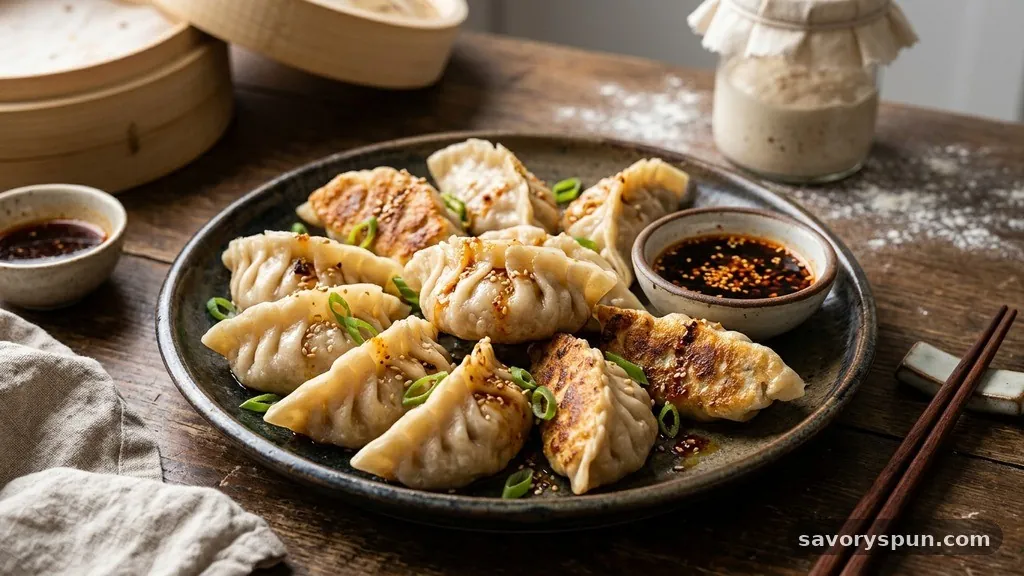
Finding reliable ways to manage your evening routine starts with discovering easy Kid Friendly Dinners,Easy Kid-Friendly Dinner Ideas that everyone at the table will actually enjoy.
Ingredients
- 1 lb lean ground turkey or chicken
- 2 cups rotini or bowtie pasta
- 1 jar (24 oz) marinara sauce
- 1 cup frozen peas and carrots blend
- 1/2 cup shredded mozzarella cheese
- 1/4 cup grated parmesan cheese
- 1 tbsp olive oil
- 1 tsp dried Italian seasoning
- 1/2 cup water or low-sodium vegetable broth
- Salt and pepper to taste
Instructions
- Bring a large pot of salted water to a boil and cook the pasta according to package directions until al dente.
- Drain the pasta thoroughly and set it aside for later use.
- Heat the olive oil in a large skillet or deep pan over medium-high heat.
- Add the ground turkey to the skillet and cook until browned, breaking it apart with a wooden spoon for about 6 to 8 minutes.
- Stir in the frozen peas and carrots, cooking for another 3 minutes until they begin to soften.
- Pour the marinara sauce and water or broth into the pan, stirring well to combine all ingredients.
- Sprinkle the Italian seasoning, salt, and pepper over the mixture, then let it simmer gently for 5 minutes.
- Fold the cooked pasta into the sauce, tossing until every piece is evenly coated.
- Top the mixture with mozzarella and parmesan cheese, then cover the pan for 2 minutes until the cheese is fully melted.
- Serve immediately while warm, portioning into bowls for the family.
Similar Posts
Pumpkin Dinner Recipes,Cozy Pumpkin Dinner Recipes
Exploring a variety of Pumpkin Dinner Recipes,Cozy Pumpkin Dinner Recipes can transform your kitchen into a warm sanctuary during the cooler months. These dishes rely on the earthy sweetness of seasonal produce to create meals that are both nourishing and deeply satisfying. Whether you prefer the creamy texture of a risotto or the hearty bite…
Easy Sheet Pan Dinners,Easy Sheet Pan Dinner Recipes
Finding reliable easy Sheet Pan Dinners,Easy Sheet Pan Dinner Recipes can transform your weeknight cooking routine from a chore into a streamlined experience. These one-pan meals rely on the principle of high-heat cooking to develop deep flavors while minimizing the cleanup process. By arranging your ingredients strategically on a single tray, you unlock a method…
Zucchini Recipes,Best Fresh Zucchini Recipes
Finding the perfect Zucchini Recipes,Best Fresh Zucchini Recipes can transform your kitchen routine during the peak of summer. This versatile member of the cucurbita pepo family offers endless possibilities, from simple sautéed side dishes to elaborate main courses. Whether you are dealing with an overflowing garden harvest or simply picking up a few firm specimens…
28 Genius Ways To Use Unripe Apples,28 Genius Ways to Use Unripe Apples
Finding yourself with a bowl of hard, sour fruit can feel like a kitchen disappointment, but there are actually many genius ways to use unripe apples,28 genius ways to use unripe apples that transform them into pantry staples. Because they lack the sugars of mature fruit, green apples offer a sharp, bracing acidity that is…
Fall Soup Recipes,Hearty Fall Soup Recipes
When the air turns crisp and leaves begin to change, few things provide comfort quite like a bowl of warm, nourishing broth. Exploring various Fall Soup Recipes,Hearty Fall Soup Recipes allows you to transform seasonal produce into meals that sustain you through the cooling months. Whether you prefer the sweetness of roasted squash or the…
Cheap Hacks That Make Soup Recipes Interesting,Clever Hacks to Make Soup Better
Transforming a basic bowl of broth into a restaurant-quality meal is easier than you might think. By applying a few cheap hacks that make soup recipes interesting, clever hacks to make soup better, you can turn humble pantry staples into complex, layered dishes. Whether you are working with a simple vegetable stock or a rich…