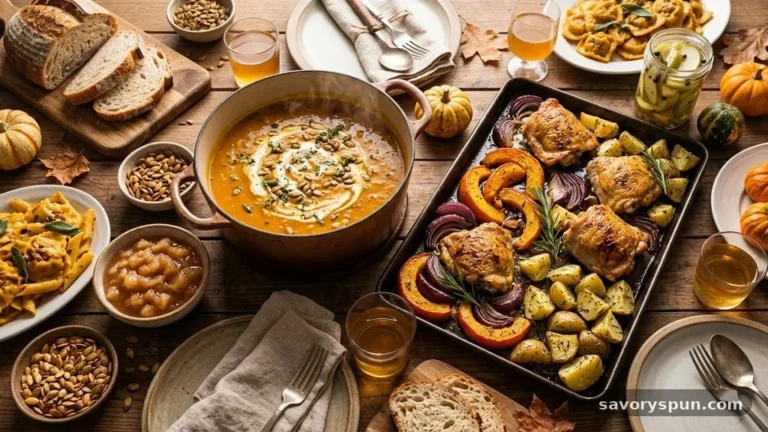
Cheap Hacks That Make Soup Recipes Interesting,Clever Hacks to Make Soup Better
Transforming a basic bowl of broth into a restaurant-quality meal is easier than you might think. By applying a few cheap hacks that make soup recipes interesting, clever hacks to make soup better, you can turn humble pantry staples into complex, layered dishes. Whether you are working with a simple vegetable stock or a rich bone broth, small additions like citrus zest or fermented pastes significantly alter the final profile.
You don’t need expensive ingredients to achieve professional depth. This guide provides the practical techniques required to enhance your cooking, ensuring every spoonful is packed with flavor and satisfying texture.
- Prep time: 15 minutes
- Cook time: 30 minutes
- Total time: 45 minutes
- Servings: 4
- Calories: 420 per serving
Ingredients
- 1 tbsp olive oil
- 1 large yellow onion, finely diced
- 2 carrots, peeled and sliced into rounds
- 2 celery stalks, sliced
- 3 cloves garlic, minced
- 1 tbsp tomato paste
- 1 tsp dried thyme
- 1/2 tsp red chili flakes
- 4 cups low-sodium vegetable stock
- 1 parmesan rind
- 1 can (15 oz) chickpeas, drained and rinsed
- 1 bunch kale, stems removed and leaves chopped
- 1 tbsp balsamic vinegar
- 1/4 cup toasted walnuts, roughly chopped
- Salt and black pepper to taste
Instructions
- Heat the olive oil in a large pot over medium heat until it shimmers.
- Add the onion, carrots, and celery, stirring occasionally until the vegetables are softened and slightly browned, about 8 minutes.
- Stir in the garlic, tomato paste, thyme, and chili flakes, cooking for 2 minutes until the paste darkens slightly.
- Pour in the vegetable stock and scrape the bottom of the pot to release any flavorful browned bits, a process known as deglazing.
- Drop in the parmesan rind, cover the pot, and simmer for 15 minutes to allow the flavors to meld.
- Add the chickpeas and kale, cooking for another 5 minutes until the greens are wilted and the beans are heated through.
- Remove the parmesan rind, stir in the balsamic vinegar, and season with salt and pepper.
- Ladle into bowls and top with the toasted walnuts before serving.
The Power of Aromatics and Mirepoix
Building a foundation for any soup begins with the classic mirepoix. This mixture of onion, carrot, and celery provides the essential aromatics that act as the backbone for your flavor profile. Don’t rush this stage, as allowing the vegetables to sweat until they are translucent is crucial for developing sweetness.
You can take this step further by introducing additional aromatics like leeks, fennel, or shallots. If you want to lean into more savory territory, consider adding a tablespoon of miso paste or a splash of fish sauce during the sautéing phase. These ingredients provide a massive boost of umami without needing expensive proteins.
Mastering Caramelization and Deglazing
One of the most effective ways to improve your soup is to focus on caramelization. When you brown your vegetables or meat in the pot, you create flavorful compounds that reside on the bottom of the pan. This residue is gold for your final dish.
Deglazing is the technique used to lift these bits using a liquid like stock, wine, or even water. By pouring a small amount of liquid into the hot pan and scraping the bottom with a wooden spoon, you incorporate all that concentrated flavor back into the soup. This simple act is one of the most reliable cheap hacks that make soup recipes interesting.
Utilizing Hidden Flavor Boosters
Pantry staples often hide the secret to a better bowl of soup. Parmesan rinds, for example, are frequently discarded but are actually powerhouses of flavor. Toss a rind into your simmering pot; it slowly dissolves, releasing a salty, nutty depth that mimics hours of slow cooking.
Similarly, consider the impact of acidity. A splash of balsamic vinegar or fresh lime juice at the very end can brighten a heavy soup.
This acidity cuts through the fat and balances the richness, preventing the dish from tasting one-dimensional. You can learn more about how acidity changes food chemistry at Science.org.
The Role of Toasted Spices and Aromatics
Blooming spices in hot oil is a technique that transforms raw powder into something fragrant and alive. Before adding your liquid, toast your cumin, coriander, or turmeric in the fat with your aromatics for about thirty seconds. This process releases the essential oils within the spices, creating a much more intense flavor.
If you enjoy a bit of heat, chili crisp has become a modern favorite for a reason. Adding a spoonful as a finishing oil provides both a spicy kick and a beautiful visual contrast. It turns a standard vegetable soup into something that looks and tastes like a special occasion meal.
Creating Textural Contrast
A bowl of soup with only soft ingredients can quickly become monotonous. To make your soup better, you must prioritize textural contrast. Think about adding crunchy elements like toasted nuts, croutons, or crispy shallots right before serving.
These toppings provide a satisfying bite that keeps the palate engaged. You can easily make crispy shallots at home by thinly slicing them and frying them in a small amount of oil until golden. They add a savory, crunchy layer that elevates a simple soup to something truly memorable.
Emulsification for Creamy Results
If you want a creamy texture without adding heavy cream or coconut milk, you can rely on emulsification. By using an immersion blender to purée a portion of the soup, you thicken the liquid naturally using the starches from the vegetables themselves. This creates a velvety mouthfeel that feels indulgent.
Alternatively, you can blend a small amount of cooked beans or potatoes and stir them back into the pot. This is a brilliant way to add body to vegan soups without needing dairy. It is a cost-effective method that results in a much more luxurious eating experience.
The Magic of Brown Butter
Brown butter is a simple luxury that changes the entire character of a soup. By melting butter in a pan and cooking it until the milk solids turn golden brown and smell nutty, you create a depth of flavor that is hard to replicate. Drizzling a small amount of brown butter over a roasted squash or cauliflower soup adds an incredible richness.
This technique is incredibly cheap but yields high-end results. It works particularly well with earthy root vegetable soups or mushroom-based broths. Just be careful not to burn the butter, as the transition from perfectly browned to scorched happens very quickly.
FAQ
Can I freeze soups that contain dairy?
While you can freeze dairy-based soups, they sometimes separate upon thawing. It is best to stir in the cream or milk after you have reheated the soup to ensure a smooth, uniform texture every time.
How do I fix a soup that tastes too salty?
If your soup is slightly too salty, you can add a raw, peeled potato and let it simmer for ten minutes. The potato will absorb some of the excess salt, though you should remove it before serving to avoid a starchy consistency.
Is it necessary to use homemade stock?
Homemade stock is wonderful, but high-quality store-bought options work perfectly well. To make them taste better, you can simmer the store-bought stock with extra aromatics like garlic cloves, bay leaves, or leftover vegetable scraps before starting your recipe.
How long can I store leftover soup?
Most soups will keep well in an airtight container in the refrigerator for three to four days. If you need to store them longer, they freeze exceptionally well for up to three months, provided you leave a little room at the top of the container for expansion.
Conclusion
Improving your home cooking doesn’t require a professional kitchen or expensive ingredients. By incorporating these cheap hacks that make soup recipes interesting, clever hacks to make soup better, you can achieve remarkable results with basic pantry items. Focus on building layers through proper aromatics, utilizing acidity, and creating intentional textural contrasts.
These small adjustments transform your daily meals into something you genuinely look forward to eating. Start with one or two of these techniques next time you pick up a ladle, and watch how your soup game evolves. We would love to hear which of these methods makes the biggest difference in your kitchen, so feel free to share your results.
Cheap Hacks That Make Soup Recipes Interesting,Clever Hacks to Make Soup Better

Transforming a basic bowl of broth into a restaurant-quality meal is easier than you might think. By applying a few cheap hacks that make soup recipes interesting, clever hacks to make soup better, you can turn humble pantry staples into complex, layered dishes.
Ingredients
- 1 tbsp olive oil
- 1 large yellow onion, finely diced
- 2 carrots, peeled and sliced into rounds
- 2 celery stalks, sliced
- 3 cloves garlic, minced
- 1 tbsp tomato paste
- 1 tsp dried thyme
- 1/2 tsp red chili flakes
- 4 cups low-sodium vegetable stock
- 1 parmesan rind
- 1 can (15 oz) chickpeas, drained and rinsed
- 1 bunch kale, stems removed and leaves chopped
- 1 tbsp balsamic vinegar
- 1/4 cup toasted walnuts, roughly chopped
- Salt and black pepper to taste
Instructions
- Heat the olive oil in a large pot over medium heat until it shimmers.
- Add the onion, carrots, and celery, stirring occasionally until the vegetables are softened and slightly browned, about 8 minutes.
- Stir in the garlic, tomato paste, thyme, and chili flakes, cooking for 2 minutes until the paste darkens slightly.
- Pour in the vegetable stock and scrape the bottom of the pot to release any flavorful browned bits, a process known as deglazing.
- Drop in the parmesan rind, cover the pot, and simmer for 15 minutes to allow the flavors to meld.
- Add the chickpeas and kale, cooking for another 5 minutes until the greens are wilted and the beans are heated through.
- Remove the parmesan rind, stir in the balsamic vinegar, and season with salt and pepper.
- Ladle into bowls and top with the toasted walnuts before serving.
Similar Posts
How To Make Basic Sourdough Pasta Dough,How to Make Basic Sourdough Pasta Dough
Learning the craft of making Basic Sourdough Pasta Dough,How to Make Basic Sourdough Pasta Dough transforms your kitchen into an artisanal workshop. By harnessing the wild yeast in your starter, you produce noodles with a complex, tangy flavor and superior texture that store-bought versions simply cannot replicate. Whether you are a seasoned baker looking to…
Pumpkin Dinner Recipes,Cozy Pumpkin Dinner Recipes
Exploring a variety of Pumpkin Dinner Recipes,Cozy Pumpkin Dinner Recipes can transform your kitchen into a warm sanctuary during the cooler months. These dishes rely on the earthy sweetness of seasonal produce to create meals that are both nourishing and deeply satisfying. Whether you prefer the creamy texture of a risotto or the hearty bite…
Fall Soup Recipes,Hearty Fall Soup Recipes
When the air turns crisp and leaves begin to change, few things provide comfort quite like a bowl of warm, nourishing broth. Exploring various Fall Soup Recipes,Hearty Fall Soup Recipes allows you to transform seasonal produce into meals that sustain you through the cooling months. Whether you prefer the sweetness of roasted squash or the…
The Best Fall Dinner Recipes,Best Fall Dinner Recipes
Cooler temperatures and shorter days naturally shift our kitchen focus toward warming, soul-satisfying meals. Exploring the best fall dinner recipes,Best fall dinner recipes allows you to make the most of the seasonal harvest while creating comforting moments at the table. Whether you are craving the depth of a slow-cooked meal or the ease of a…
Simple Chicken Recipes,Simple & Quick Chicken Recipes
Finding reliable simple Chicken Recipes,Simple & Quick Chicken Recipes can transform your weeknight routine from stressful to streamlined. Whether you are working with boneless skinless chicken breasts or juicy chicken thighs, the right techniques ensure a delicious, protein-packed meal in minutes. By focusing on fundamental skills like searing and proper seasoning, you can create flavorful…
How To Make The Perfect Toasted Reuben Sandwich,How to Make the Perfect Toasted Reuben
Achieving the ideal balance of savory meat, tangy cabbage, and melted cheese is the secret to making The Perfect Toasted Reuben Sandwich,How to Make the Perfect Toasted Reuben. This classic deli staple relies on a specific sequence of assembly and high-heat cooking to achieve its signature crunch and rich flavor profile. By focusing on the…