
Zucchini Recipes,Best Fresh Zucchini Recipes
Finding the perfect Zucchini Recipes,Best Fresh Zucchini Recipes can transform your kitchen routine during the peak of summer. This versatile member of the cucurbita pepo family offers endless possibilities, from simple sautéed side dishes to elaborate main courses.
Whether you are dealing with an overflowing garden harvest or simply picking up a few firm specimens at the local market, understanding how to handle this vegetable is a vital culinary skill. By mastering proper preparation and cooking techniques, you can ensure your meals remain vibrant, flavorful, and satisfying every single time you cook.
- Prep time: 15 minutes
- Cook time: 30 minutes
- Total time: 45 minutes
- Servings: 4
- Calories: 420 per serving
Ingredients
- 4 medium-sized zucchini, washed and ends trimmed
- 3 tablespoons extra virgin olive oil
- 3 cloves garlic, minced finely
- 1/2 cup grated Parmesan cheese
- 1/4 cup panko breadcrumbs
- 1 tablespoon fresh basil, chiffonade cut
- 1 teaspoon lemon zest
- 1/2 teaspoon kosher salt
- 1/4 teaspoon freshly cracked black pepper
- 1/2 cup whole milk ricotta cheese
Instructions
- Preheat your oven to 400°F (200°C) and line a large baking sheet with parchment paper for easy cleanup.
- Slice the zucchini in half lengthwise, then use a spoon to scoop out a small channel down the center, creating a shallow boat shape.
- Place the zucchini boats on the prepared baking sheet, skin-side down.
- In a small bowl, whisk together the olive oil, minced garlic, lemon zest, salt, and pepper.
- Brush this mixture generously over the flesh of each zucchini boat.
- Combine the Parmesan cheese and panko breadcrumbs in a separate bowl, then sprinkle the mixture over the top of the oiled zucchini.
- Roast in the center of the oven for 20 to 25 minutes, or until the tops are golden brown and the zucchini is tender when pierced with a fork.
- Remove from the oven and allow them to cool for 5 minutes before dolloping a teaspoon of fresh ricotta into the center of each boat.
- Garnish with the fresh basil and serve immediately while the textures are at their best.
Mastering Moisture Removal Techniques
One of the biggest challenges when preparing summer squash is managing its high water content. If you skip moisture removal, your dishes can quickly turn soggy or watery, especially in casseroles or vegetable fritters.
The most effective method is salt-sweating, where you sprinkle sliced or grated squash with salt and let it sit in a colander for at least 20 minutes. This draws out the excess liquid through osmosis, allowing you to squeeze the remaining moisture out with a clean kitchen towel before cooking.
When you are planning to use the vegetable in quick breads or muffins, this step is non-negotiable for success. Excess water ruins the structural integrity of the crumb, leading to a gummy texture instead of a light, airy loaf.
For those interested in the nutritional science behind this process, you can learn more about the agricultural benefits of squash from official extension programs. Always remember that a drier starting product yields a superior end result in almost any application.
The Art of Creating Zoodles
Transforming raw squash into spiralized noodles, often called zoodles, is a fantastic way to enjoy a low-carb, keto-friendly meal. You can use a dedicated spiralizer, a simple julienne peeler, or a sharp mandoline to achieve the desired thickness.
The key to success here is to avoid overcooking them, as they can turn into mush in mere seconds. A quick flash-sauté in a hot pan with a splash of olive oil and garlic is often all that is required for a perfect al dente bite.
Many home cooks make the mistake of boiling their zucchini noodles in water like traditional pasta. This is almost always a recipe for disaster, as the porous nature of the vegetable absorbs the liquid and destroys the texture.
Instead, toss them in a pan for no more than two minutes or even serve them raw with a warm, heavy sauce that will lightly cook them upon contact. This technique preserves the bright, fresh flavor that makes summer squash such a delight during the warmer months.
Elevating Flavor with Roasting and Grilling
Roasting and grilling are perhaps the best ways to concentrate the natural sweetness of summer squash. When subjected to high, dry heat, the sugars in the vegetable caramelize, creating a complex flavor profile that boiling or steaming simply cannot match.
For roasting, cut the squash into thick rounds or spears and toss them in olive oil, salt, and your choice of fresh herbs. Arrange them in a single layer on a baking sheet to ensure they roast rather than steam in their own juices.
Grilling requires a slightly different approach to prevent the slices from falling through the grates. Cut them into long, thick ribbons or planks and brush them lightly with oil to prevent sticking.
Cook them over medium-high heat for about three minutes per side until distinct char marks appear. This smoky, charred flavor pairs exceptionally well with a simple drizzle of balsamic glaze or a sprinkle of crumbled feta cheese.
The Versatility of Zucchini Bread
Zucchini bread remains one of the most beloved ways to use up a large garden harvest. This type of quick bread is incredibly forgiving and serves as a blank canvas for various flavor additions like walnuts, cinnamon, or even dark chocolate chips.
The shredded squash adds significant moisture to the batter, resulting in a loaf that stays fresh and tender for several days. Because it is a quick bread, you do not need to worry about yeast proofing, making it a perfect project for a busy afternoon.
When baking, ensure you are using the correct size of grater for your needs. A fine grate will virtually disappear into the batter, which is ideal if you are trying to hide the vegetable from picky eaters.
A coarser grate provides more texture and visual appeal if you prefer the classic look of a homemade loaf. Always check for doneness by inserting a toothpick into the center; it should come out clean or with just a few moist crumbs attached.
Incorporating Fresh Herbs and Aromatics
The secret to the best fresh zucchini recipes often lies in the selection of herbs and aromatics. Garlic is an obvious pairing, but don’t overlook the brightening effect of lemon zest or the earthy notes of fresh thyme.
Basil is particularly effective when added at the very end of the cooking process, as its delicate oils are easily destroyed by excessive heat. You can also experiment with mint or dill, which provide a cooling contrast to the richness of roasted or sautéed preparations.
Consider creating compound butters or herb-infused oils to finish your dishes. A simple mixture of butter, minced chives, and a squeeze of lemon juice can turn a basic sautéed side dish into a restaurant-quality accompaniment.
These small additions require minimal effort but provide a massive return on flavor. Always aim to use fresh herbs rather than dried whenever possible, as the vibrant oils in fresh leaves define the quintessential summer flavor experience.
Developing Texture with Parmesan Crusts
Creating a parmesan crust is a brilliant way to add a salty, crunchy contrast to the soft interior of the squash. This technique works exceptionally well for both oven-baked coins and thick spears.
By mixing finely grated cheese with panko or almond flour, you create a barrier that protects the vegetable while adding a savory depth. This is a particularly effective strategy for those who find the texture of plain cooked squash to be too soft or unappealing.
To ensure the crust adheres properly, make sure the surface of the squash is as dry as possible before applying the coating. A light brushing of olive oil or even a thin layer of mayonnaise can help the breadcrumb mixture stick to the exterior.
Bake at a high temperature until the cheese is bubbling and the breadcrumbs are a deep golden brown. This method creates a satisfying crunch that mimics fried food without the need for a heavy batter or deep-frying oil.
Classic Ratatouille and Vegetable Medleys
Ratatouille is the ultimate celebration of the garden harvest, bringing together eggplant, tomatoes, peppers, and squash in a harmonious stew. The key to a successful ratatouille is to cook each component separately before combining them, which ensures that every vegetable retains its unique texture and character.
While many people think of it as a complex dish, it is actually quite straightforward when broken down into logical steps. It serves as a fantastic main dish when served over polenta or crusty bread.
If you are looking for something faster, a simple vegetable medley sauté is always a reliable choice. Cut your vegetables into uniform sizes so they cook at the same rate, and start with the vegetables that take the longest to soften, such as onions or peppers.
Add the squash toward the end to ensure it retains a slight snap. Season generously with sea salt and finish with a drizzle of high-quality finishing oil to tie the disparate elements together.
FAQ
How can I tell if a zucchini is fresh?
A fresh specimen should be firm, heavy for its size, and have a vibrant, unblemished skin. Avoid any that feel soft, have dark sunken spots, or show signs of mold on the stem end.
Can I eat raw zucchini?
Yes, it is perfectly safe and delicious to eat raw. It is often used in salads or shaved thin into ribbons for a refreshing, crunchy addition to cold dishes.
How do I store zucchini so it lasts longer?
Keep your squash unwashed in the vegetable crisper drawer of your refrigerator, ideally inside a paper bag to absorb excess moisture. This will help them stay fresh for up to a week.
What can I substitute for zucchini in recipes?
Yellow summer squash is the best direct substitute as it has a nearly identical texture and flavor profile. You can also use cucumber in cold applications, though it will not hold up to heat in the same way.
Why does my zucchini bread turn out soggy?
The most common cause is failing to remove enough moisture from the grated vegetable before adding it to the batter. Always squeeze the grated squash in a clean kitchen towel until no more liquid comes out.
Conclusion
Mastering the art of cooking with summer squash opens up a world of culinary potential during the peak of the growing season. By focusing on moisture control, proper heat application, and the strategic use of fresh herbs, you can elevate simple ingredients into memorable meals. Whether you are baking a loaf of bread, preparing a light salad, or roasting a side dish, the key is to respect the delicate nature of the vegetable while using bold aromatics to enhance its natural sweetness.
These Zucchini Recipes,Best Fresh Zucchini Recipes are designed to be flexible, allowing you to adapt them based on what you have in your kitchen or garden. Start with the basics, experiment with different seasoning combinations, and do not be afraid to adjust cooking times to suit your personal preferences.
Bringing a dish to the table that highlights the freshness of seasonal produce is one of the most rewarding parts of home cooking. Enjoy exploring these flavors and sharing your creations with friends and family.
Zucchini Recipes,Best Fresh Zucchini Recipes
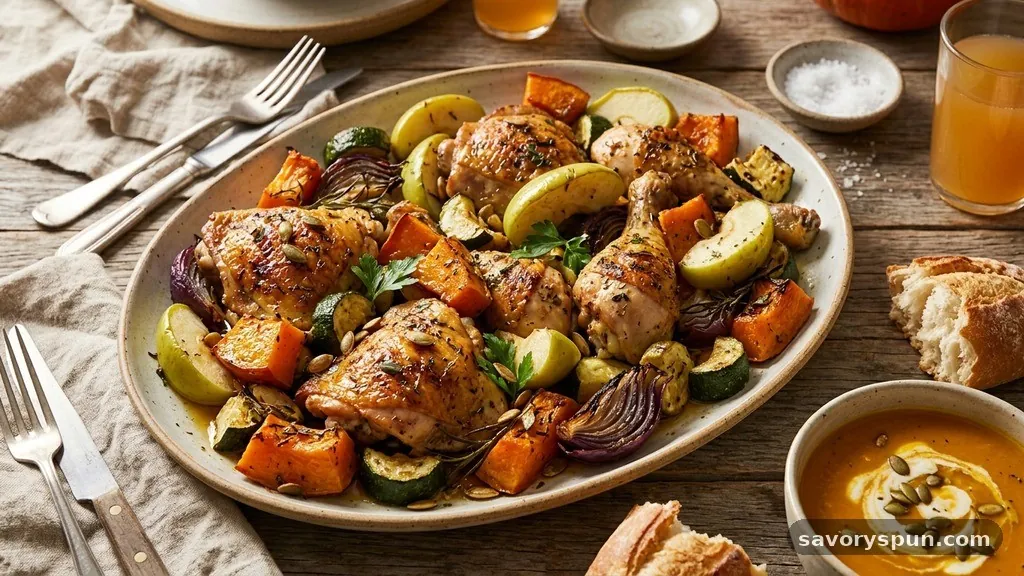
Finding the perfect Zucchini Recipes,Best Fresh Zucchini Recipes can transform your kitchen routine during the peak of summer. This versatile member of the cucurbita pepo family offers endless possibilities, from simple sautéed side dishes to elaborate main courses.
Ingredients
- 4 medium-sized zucchini, washed and ends trimmed
- 3 tablespoons extra virgin olive oil
- 3 cloves garlic, minced finely
- 1/2 cup grated Parmesan cheese
- 1/4 cup panko breadcrumbs
- 1 tablespoon fresh basil, chiffonade cut
- 1 teaspoon lemon zest
- 1/2 teaspoon kosher salt
- 1/4 teaspoon freshly cracked black pepper
- 1/2 cup whole milk ricotta cheese
Instructions
- Preheat your oven to 400°F (200°C) and line a large baking sheet with parchment paper for easy cleanup.
- Slice the zucchini in half lengthwise, then use a spoon to scoop out a small channel down the center, creating a shallow boat shape.
- Place the zucchini boats on the prepared baking sheet, skin-side down.
- In a small bowl, whisk together the olive oil, minced garlic, lemon zest, salt, and pepper.
- Brush this mixture generously over the flesh of each zucchini boat.
- Combine the Parmesan cheese and panko breadcrumbs in a separate bowl, then sprinkle the mixture over the top of the oiled zucchini.
- Roast in the center of the oven for 20 to 25 minutes, or until the tops are golden brown and the zucchini is tender when pierced with a fork.
- Remove from the oven and allow them to cool for 5 minutes before dolloping a teaspoon of fresh ricotta into the center of each boat.
- Garnish with the fresh basil and serve immediately while the textures are at their best.
Similar Posts
Peach Recipes,Best Sweet & Savory Peach Recipes
Finding the right Peach Recipes,Best Sweet & Savory Peach Recipes allows you to transform seasonal stone fruit into unforgettable meals. Whether you are craving a rustic dessert or a sophisticated dinner plate, these versatile fruits bring a unique balance of sweetness and acidity to your table. Understanding how to handle different varieties and preparation methods…
How To Make Basic Sourdough Pasta Dough,How to Make Basic Sourdough Pasta Dough
Learning the craft of making Basic Sourdough Pasta Dough,How to Make Basic Sourdough Pasta Dough transforms your kitchen into an artisanal workshop. By harnessing the wild yeast in your starter, you produce noodles with a complex, tangy flavor and superior texture that store-bought versions simply cannot replicate. Whether you are a seasoned baker looking to…
Pumpkin Dinner Recipes,Cozy Pumpkin Dinner Recipes
Exploring a variety of Pumpkin Dinner Recipes,Cozy Pumpkin Dinner Recipes can transform your kitchen into a warm sanctuary during the cooler months. These dishes rely on the earthy sweetness of seasonal produce to create meals that are both nourishing and deeply satisfying. Whether you prefer the creamy texture of a risotto or the hearty bite…
50 Simple Soup Recipes,50 Simple & Cozy Soup Recipes
Mastering the art of simple soup recipes,50 Simple & Cozy Soup Recipes, allows you to transform basic pantry staples into comforting meals that warm the soul. Whether you are craving a light vegetable broth or a rich, velvety bisque, having a few reliable techniques in your kitchen repertoire makes home cooking both accessible and rewarding….
The Best Fall Dinner Ideas To Make In October,Best Fall Dinner Ideas for October
Finding the best fall dinner ideas to make in October,best fall dinner ideas for October is a rewarding pursuit that celebrates the crisp shift in weather. As the days grow shorter and the air turns cool, your kitchen naturally becomes the heart of the home. Embracing seasonal produce allows you to craft meals that are…
14 Unbelievably Good Dinner Ideas The Whole Family Will Love,14 Family-Friendly Dinner Ideas
Finding reliable, tasty meals that satisfy everyone at the table is a common hurdle for busy households. Choosing from these 14 Unbelievably Good Dinner Ideas The Whole Family Will Love,14 Family-Friendly Dinner Ideas helps remove the stress of evening menu planning. By focusing on simple preparation and crowd-pleasing flavors, you can transform your kitchen into…